
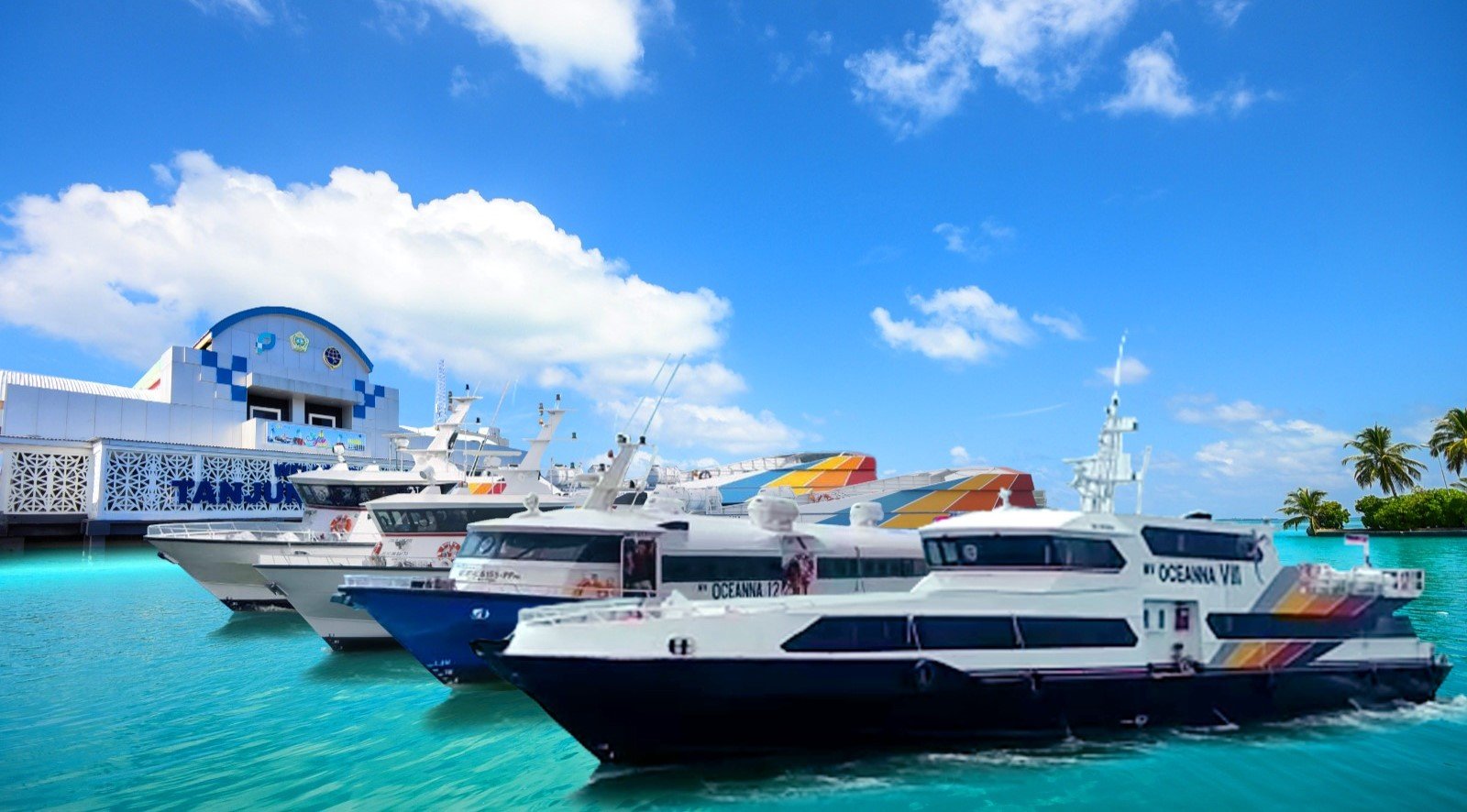
A Ferry Operator is a company that manages and operates ferry services, providing sea transportation for passengers, vehicles, and cargo. Its role includes fleet management, route and schedule planning, passenger services, and strict compliance with safety standards to ensure every voyage is safe, reliable, and comfortable.

Insurance
Insurance in the maritime industry is an essential protection for vessels, cargo, crew, and passengers against potential risks during operations. Common types of marine insurance include:
- Hull & Machinery Insurance – Covers the vessel and its equipment against damage.
- Protection & Indemnity (P&I) Insurance – Provides liability coverage for shipowners, including third-party claims, passenger accidents, and marine pollution.
- Cargo Insurance – Protects goods against loss or damage during transport.
- Crew Insurance – Ensures safety and health coverage for seafarers.
Insurance enables shipping companies to operate with greater security, compliance, and confidence in managing maritime risks.

Supply Chance
Supply Chain refers to the network of activities involved in delivering goods and services from suppliers to the end users. In the maritime industry, the supply chain includes the procurement of ship logistics, fuel, spare parts, equipment, and cargo distribution to support smooth vessel operations and marine services. The goal is to ensure supply that is timely, efficient, and reliable.

Ferry Management
Ferry Management refers to the comprehensive operation and administration of ferry services, covering vessel maintenance, crew management, safety compliance, route planning, ticketing, and customer service. The goal of ferry management is to ensure safe, reliable, efficient, and comfortable transportation for passengers, vehicles, and cargo across designated routes.

Ship Agency
Ship Agency refers to vessel agency services that handle all requirements of a ship while in port, including customs and immigration clearance, berthing arrangements, logistics supply, and crew changes. Its main objective is to ensure that port operations are carried out smoothly, efficiently, and in compliance with regulations.

Crew Management
Crew Management refers to the management of seafarers, including recruitment, training, deployment, and compliance with international certification standards. Its purpose is to ensure that vessels are operated by competent, professional, and well-trained crew members in line with global safety regulations.